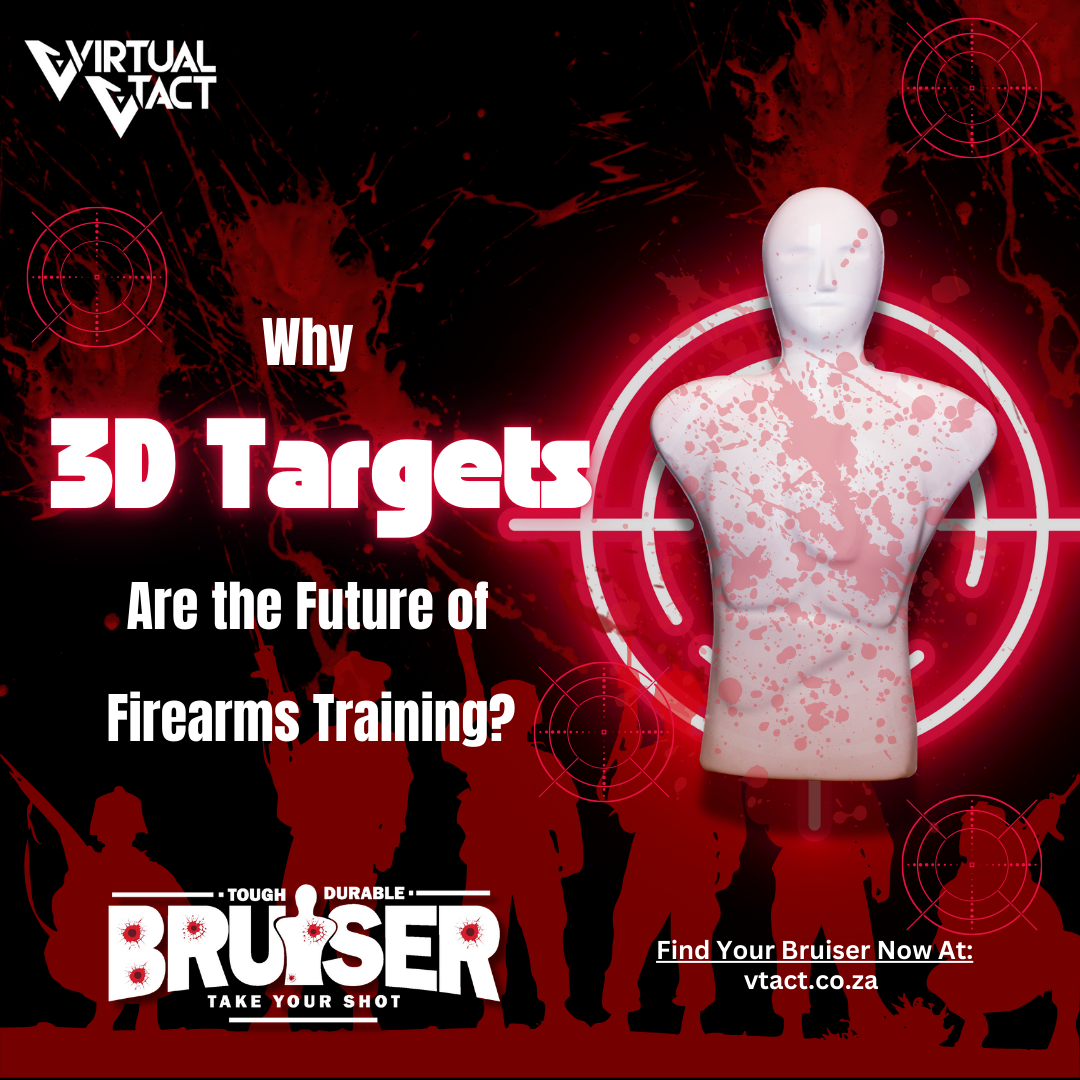
In the evolving landscape of firearms training, the use of 3D targets represents a significant step forward, providing a more realistic, engaging, and effective training environment. As technology progresses, so too does the methodology of training, and 3D targets are set to become an integral part of firearms education. This post explores why embracing 3D targets could revolutionize the way shooters prepare for real-world scenarios.
Enhanced Realism
Traditional firearms training often involves static paper targets or basic pop-up silhouettes. While these methods provide fundamental marksmanship practice, they fall short of simulating real-life encounters. 3D targets, on the other hand, offer a more realistic portrayal of potential threats by mimicking the actual size, shape, and even behavior of an adversary.
The use of lifelike human figures allows shooters to practice shot placement with more precision. For example, 3D targets can be designed to feature detailed anatomy, enabling trainees to understand the impact of their shots on vital organs, thereby improving their decision-making skills in high-pressure situations. This level of detail not only enhances the shooter’s ability to neutralize a threat effectively but also contributes to better judgment regarding when and where to shoot, which is critical in law enforcement and self-defense scenarios.
Improved Engagement
Training with 3D targets significantly boosts engagement and concentration. Unlike flat targets, 3D models can be positioned in various poses and setups that more accurately represent realistic scenarios. They can be used in dynamic drills where they appear unexpectedly or from different angles, mimicking the unpredictability of real-life encounters. This variability demands higher levels of focus and adaptability from the shooter, traits that are crucial in actual combat or defense situations.
Moreover, 3D targets can be constructed from materials that provide immediate feedback when hit, such as producing a visual mark or a distinctive sound. This instant feedback is invaluable for correcting aim and tactics on the fly, facilitating a more interactive and adaptive learning experience.
Versatility in Training
One of the standout benefits of 3D targets is their versatility. They can be used across various training environments, from indoor shooting ranges to outdoor tactical courses. This versatility allows for a broad spectrum of training simulations, from hostage situations and home invasions to street confrontations and battlefield engagements.
Additionally, 3D targets can be equipped with reactive features, such as moving limbs or heads, which add an additional layer of difficulty and realism. Some advanced models even incorporate technology that simulates return fire or other interactive elements, providing an immersive experience that challenges the shooter to maintain composure and accuracy under stress.
Safety and Ethical Considerations
Using 3D targets can also enhance safety in training environments. By providing a more accurate representation of a human adversary, they help trainees develop a heightened sense of spatial awareness and muzzle discipline. This realistic approach reduces the likelihood of accidents in training, as participants are constantly reminded of the power and responsibility that come with handling firearms.
Furthermore, training with 3D targets addresses some ethical concerns associated with using human images in target practice. Modern 3D targets can be designed to appear neutral and non-specific, avoiding any undesirable psychological effects associated with shooting at human-like images that too closely resemble real individuals.
Preparing for the Future
As virtual reality (VR) and augmented reality (AR) technologies continue to mature, the integration of 3D targets with these digital platforms will further enhance firearms training. Imagine a scenario where VR or AR is used to overlay virtual scenarios over physical 3D targets in a live-fire environment. This hybrid approach could provide an unparalleled level of realism and immersion, preparing trainees for virtually any situation they might encounter in the real world.
In conclusion, the adoption of 3D targets in firearms training offers a multitude of advantages, including increased realism, enhanced engagement, greater versatility, and improved safety. As we look to the future, it is clear that 3D targets will play a pivotal role in preparing law enforcement officers, military personnel, and private citizens to respond effectively and ethically in high-stress situations. The future of firearms training is not just about shooting; it’s about creating a comprehensive, realistic, and responsible training regimen that is as dynamic and complex as the real world itself.